

There’s something inherently primal about the atmosphere and story surrounding The Dreadful. Starring Sophie Turner, Kit Harington, and Marcia Gay Harden, genre filmmaker Natasha Kermani’s latest gothic horror opens with the kind of stark, mythic imagery that feels pulled from the oldest corners of storytelling.
For Kermani, who has previously directed Imitation Girl, Lucky, and Abraham's Boys, this wasn’t about simply staging a medieval horror story. It was about taking an ancient parable and finding the precise historical moment where that story could breathe. “It’s a folktale sort of morality play,” Kermani explained to us in an exclusive interview. “It’s definitely evergreen and designed as something to talk about good and bad.”
“What I was actually most excited about,” she says, “was the idea of an older woman and a younger woman - who are not mother and daughter - who are thrust into coexistence in this brutal landscape.” That landscape became more than a backdrop. It became a major part of the whole thesis.
Read our full review: 'The Dreadful' is a Haunting Morality Tale
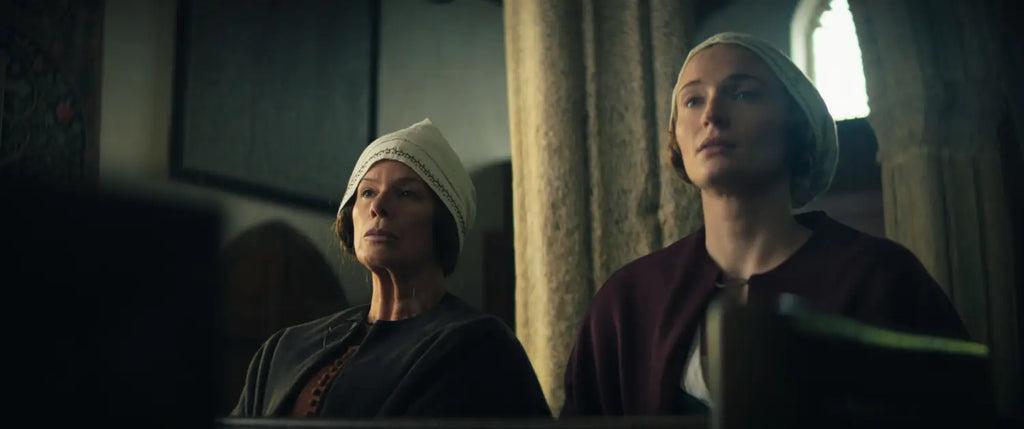
Though the story could theoretically unfold in any era, Kermani was deliberate in her choice of setting. A lifelong lover of Braveheart, Arthurian legend, Gothic fantasy, and sweeping medieval epics like The Lord of the Rings, she saw the Dark Ages as the perfect environment.
“I grew up loving all that kind of stuff,” she says. “It was a sandbox that I was eager to play around in.” But she didn’t stop at broad medieval aesthetics. After digging into specific periods, she landed on the mid-15th century, during the twilight of what many consider the Dark Ages.
“I was excited about putting it at the end of the Dark Ages,” Kermani explains. “This is a story about a woman becoming emancipated, or choosing her own path. That, to me, dovetailed really elegantly with the idea of the Dark Ages coming to an end and going into what a lot of people call England’s Golden Age.”
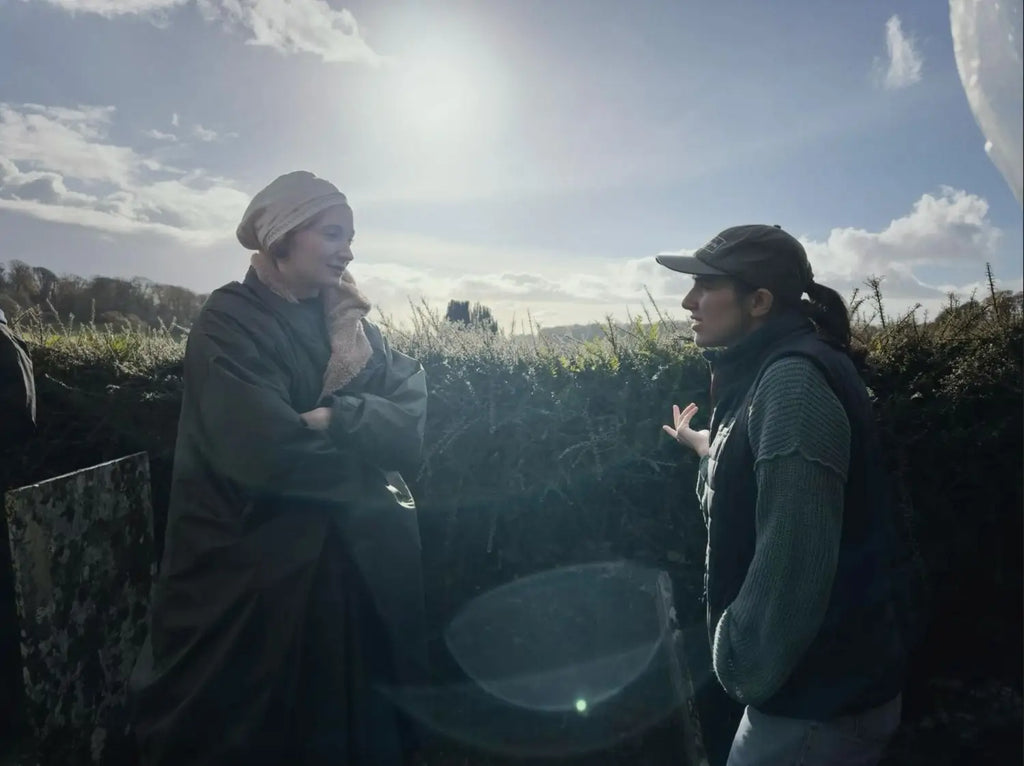
That thematic mirroring of personal liberation against societal transformation is what gives The Dreadful its quiet intellectual weight. It’s not simply about survival. It’s about stepping into a new era, whether the world is ready for it or not. And yet, despite the historical specificity, the story never feels completely trapped in period detail.
One of the film’s most striking qualities is its atmosphere, delivered largely through stunning visuals of South West England. For Kermani, shooting on location wasn’t optional, but foundational. “With everything I do, environment really informs the language of the film,” she says. “To try to always be on location is something that I want to do forever, for the rest of my career.”
Filming in less-developed coastal areas gave the indie production both creative freedom and logistical challenges. Without massive studio control, spontaneity became an asset. “To be able to say, ‘Cool, let’s point the camera over here. Actually, I love this cliff. Let’s walk over there and film this scene there’ - that ended up being really, really great for us.”
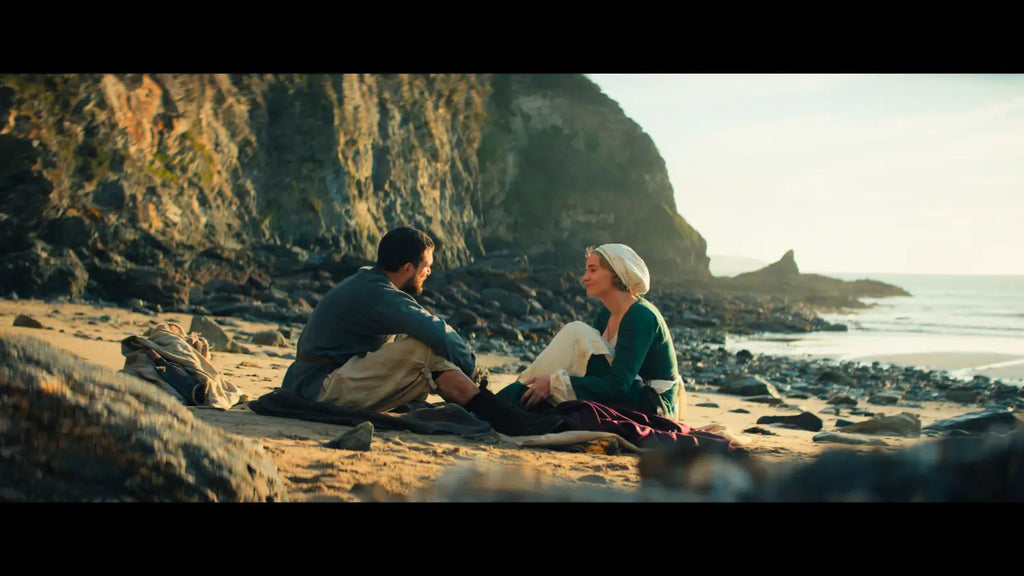
Of course, location shooting meant battling unpredictable weather and harsh conditions. But for Kermani, the authenticity was worth every inconvenience. “That part of the world really does have an essence to it that you can’t replace,” she says. “It’s the low sun, it’s the mist, it’s the water, it’s the cliffs; all of that mystical stuff is just hanging in the air there.”
Another of The Dreadful’s most compelling strengths is its moral push and pull between its main trio of characters. As the story unfolds, sympathy becomes unstable and the film resists easy heroes and villains. For Kermani, that ambiguity began on the page. “It’s so informed by who the characters are and the sort of environment that they find themselves in,” she explains. “They are very poor. They want to survive. They want to thrive like anybody else.”
Every questionable action, every betrayal or manipulation, stems from something deeply human. “With Morwen specifically,” she says, “she is really motivated by her fear of being left behind or being alone. That is such a vulnerable human instinct, and I felt very sympathetic towards her.” Rather than writing evil for evil’s sake, Kermani constantly interrogated motive. “I always said, Is she doing this quote, unquote evil thing just because she’s evil, or is it actually serving some bigger goal that she has?”
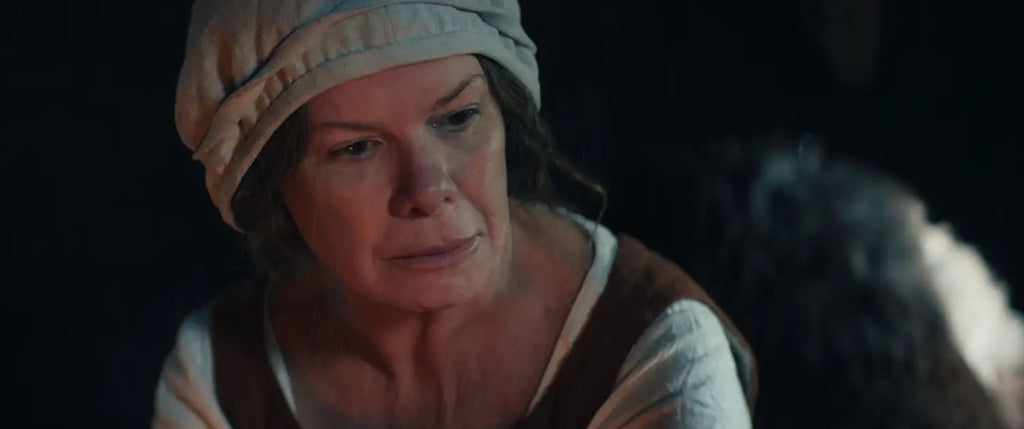
That nuance is what helps keep the audience unsettled. No one is purely monstrous, but no one is entirely innocent, either. In a world defined by scarcity and brutality, morality becomes situational. The commitment to world-building went into the costumes, production designs, and of course, the performances. “We actually designed a very specific dialect accent for our film,” Kermani shares. “It’s not an accent that exists in real life.”
It’s a bold choice, one that could easily feel distracting, but it ends up speaking to the unified vision behind the project. Every performer committed fully to constructing a cohesive, slightly otherworldly tone. “They were excited to do something different and unique and to help build this sort of fantastical world.” Kermani says of her cast.
That shared commitment was especially resonant among the film’s central trio. Their dynamic - shaped by both fictional relationships and real-world history - brings an added layer of poignancy to the story. “To see these actors inhabiting characters who grew up together", Kermani says of Game of Thrones alumni Turner and Harington, “felt very poignant and kind of beautiful to me.”
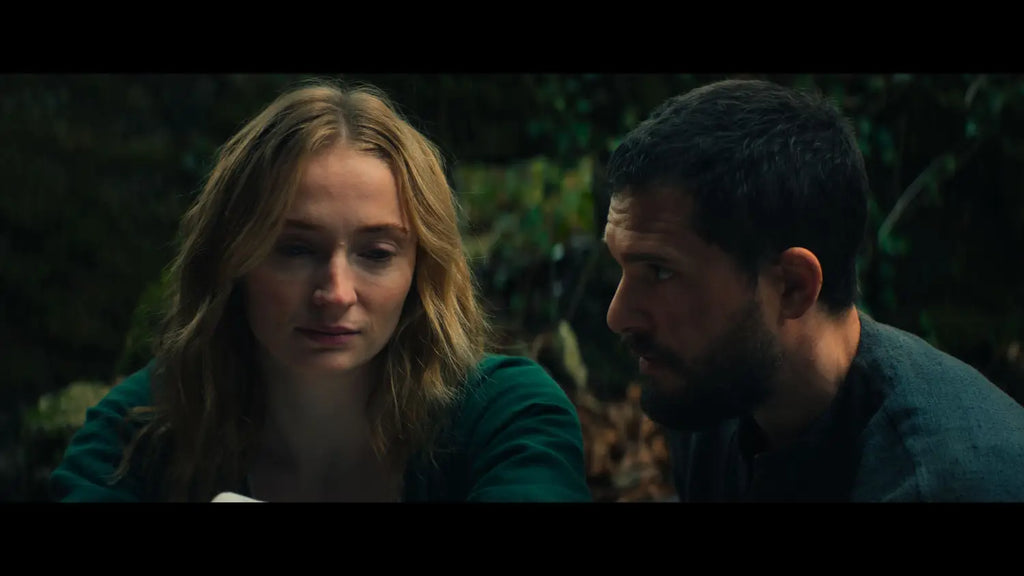
“And then Morwen being this hovering figure over the other two just felt very organic and natural, and part of our existing relationship with these actors.” she continued. “I think it was really very natural for them to slot into these characters.”
At its heart, The Dreadful is about transition. Transition between eras, between women, between survival and autonomy. It’s a gothic folktale steeped in blood and mist, but beneath the rusted blades and superstition lies something deeply human: the fear of being left behind, and the desperate hope of carving out a future anyway. By placing that emotional core at the literal end of the Dark Ages, Natasha Kermani turns history into metaphor, and crafts a horror story that feels both ancient and urgently modern.
'The Dreadful' is now in theaters and available digitally.


