

Ethan Coen and Tricia Cooke’s Honey Don’t! feels both comfortably familiar and refreshingly new, the kind of film that reminds you why the Coens have been such an enduring presence in American cinema for decades. Even with his brother Joel absent, Ethan proves that the sensibilities audiences love - the pitch-black humor, the eccentric characters, the sudden eruptions of violence - are still alive and well. If anything, the (almost) solo outing has a slightly looser, more playful energy akin to some of the duo’s earlier collaborations, but it doesn’t skimp on the darkness either. This is a film that embraces the bleak, the absurd, and the uniquely American with a smile and a wink, carrying on the ideas behind Coen and Cooke's previous collaboration, Drive-Away Dolls.
At its core, Honey Don’t! is a noir for modern times. It has the trappings of the genre - crooked deals, femme fatales, bumbling criminals - but it’s grounded in the specific textures of Americana. Like Rian Johnson’s Poker Face, it revels in the distinct feel of lived-in places across the U.S., small towns and roadside dives that carry a whole history in their wood paneling and neon lights. There’s a dust-covered authenticity to the settings, each location practically humming with memories of past sins and present desperation. Coen understands that noir isn’t just about shadows and cigarettes, it’s about the weight of place, and how every character is shaped by the landscape they inhabit.
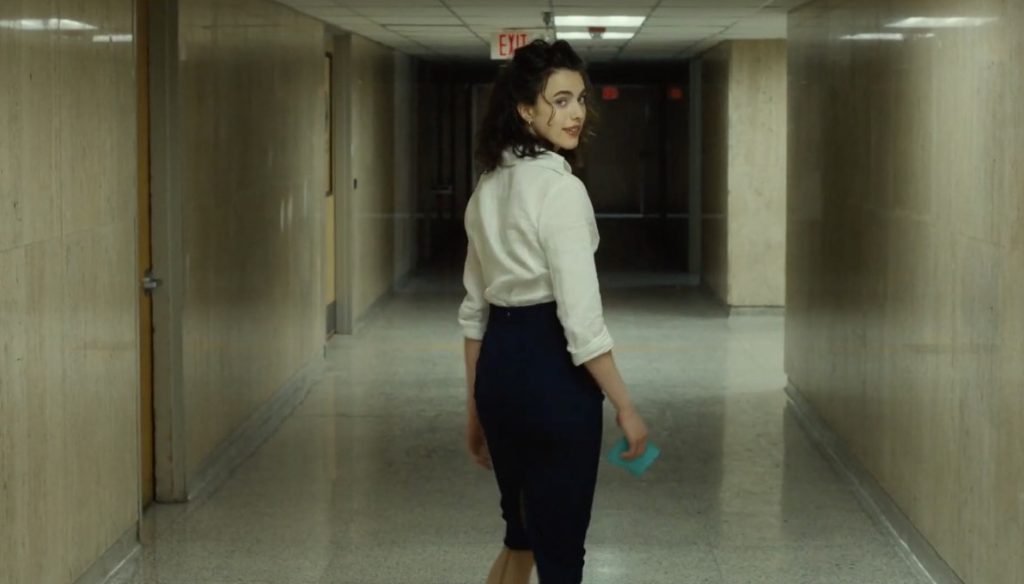
Margaret Qualley (The Substance) takes the lead of Honey O’Donahue with a performance that feels sly and endlessly layered. There’s always something going on behind her eyes; you can practically see her thinking, strategizing, recalculating as events spiral out of control. Qualley has proven in recent years that she’s a chameleon of sorts, but here she strikes the ideal balance between charisma and calculation. She never plays things too broadly, but her wry delivery and subtle expressions keep the character both vibrant and grounded. If the movie works as well as it does, it’s largely thanks to her.
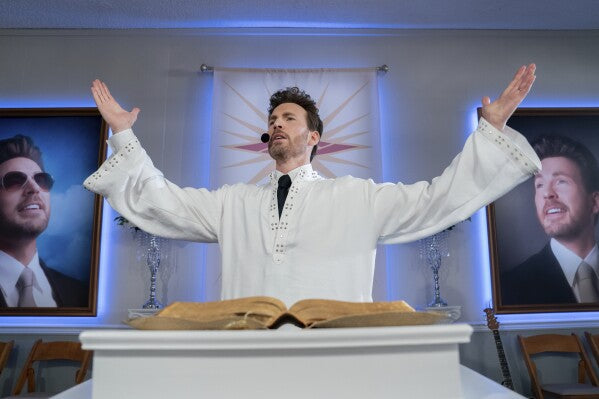
Chris Evans, meanwhile, delivers one of the funniest performances of his career as a narcissistic, sex-crazed pastor of the local corrupt church. Shedding any lingering Captain America wholesomeness, Evans leans hard into sleaze and comes out irresistible. He’s charming in the worst possible way, effortlessly smooth even as his character reveals himself to be cruel, self-serving, and casually destructive. Evans makes the kind of villain you hate yourself for liking, a grinning devil who reminds you just how dangerous unchecked charisma can be. He’s both hilarious and horrifying, a perfect embodiment of the film’s darkly comic tone.
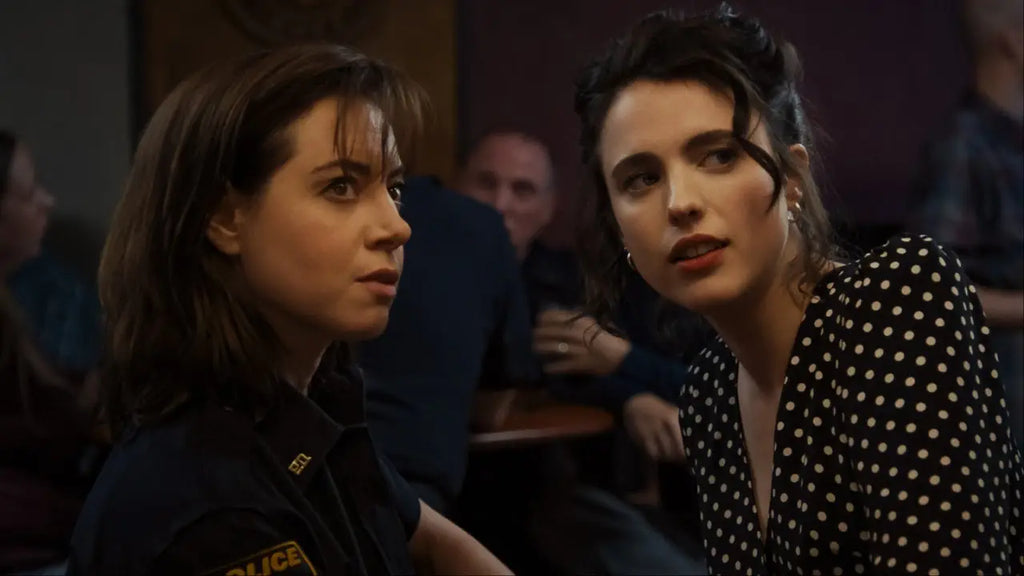
The rest of the cast, from Aubrey Plaza to Charlie Day to the smaller supporting players, all seem to be having a ball. That looseness translates into the film’s energy - it never drags, and even when the story feels slight, the sheer fun of watching these performers bounce off one another carries the momentum. Plaza, in particular, brings her signature sardonic bite to her role as MG Falcone, Honey’s hookup at the police department in more ways than one. It’s a true ensemble piece, one that thrives on the chemistry of its actors as much as the quirks of its script.
Tonally, Honey Don’t! walks a razor’s edge between comedy and cruelty, but that’s long been the Coens’ specialty. What sets this film apart is its unflinching acknowledgment of generational trauma; the way evil, uncaring men leave scars that ripple outwards, touching everyone in their orbit. Each character bears the imprint of some past wound, often inflicted by fathers, bosses, or lovers who saw them as disposable. Coen and Cooke don't wallow in despair, though. Instead, they treat these traumas with a dry wit, recognizing them as ugly facts of life while still finding the absurdity and strength in how people carry on. It’s a worldview that’s distinct: honest about pain, but unwilling to let pain have the last word.
If there’s a glaring issue, it’s that Honey Don’t! can feel significantly slighter than it should. The film breezes by at a quick clip, more invested in character moments and sharp dialogue than in building a tightly woven plot. For some, that breeziness will feel liberating, proof that Coen and Cooke are enjoying themselves and letting the film breathe. For others, it may leave the impression of something minor, a clever diversion rather than a major work. Still, even a “minor” movie from this team of creatives carries more craft, wit, and bite than most directors can muster on their best day.
Ultimately, Honey Don’t! is a film that captures the contradictions of America itself: funny and frightening, familiar and strange, hopeful and hopeless all at once. It’s not a grand statement, but it doesn’t need to be. Instead, it’s a reminder of why audiences fell in love with the Coens in the first place - their ability to find humor in horror, humanity in monstrosity, and poetry in the everyday. Ethan’s voice, vision, and mischievous spirit are intact, with an extra feminine edge thanks to Cooke’s co-creating duties. Honey Don’t! doesn’t reinvent the wheel, but it spins it with sleek and modern style.
'Honey Don't!' is now playing in theaters.


